
Kashmir · Srinagar
Srinagar

Overview
Srinagar, the summer capital of Jammu and Kashmir, sits at about 1,585 metres in the centre of the Kashmir Valley. It spreads along both banks of the Jhelum, known locally as the Vyath, and along the shores of Dal Lake. Tradition credits King Pravarasena with founding the city in the sixth century. Historic bridges still connect the old quarters across the river, and wooden landmarks rise above the rooftops, among them the deodar-built Jamia Masjid (1402) and the riverside Khanqah-e-Moula.
Outside the old city are the terraced Mughal gardens of Shalimar, Nishat and Chashma Shahi, along with Pari Mahal, the Hari Parbat fort and the Shankaracharya hill. Each one shows the lake and the Zabarwan range from a different height. Srinagar is also the valley's main centre for crafts, known for pashmina shawls, papier-mâché, wood carving and carpet weaving, and most journeys across Kashmir start from here.
Highlights
- Shikara rides on Dal Lake and Nigeen Lake
- Mughal gardens: Shalimar Bagh, Nishat Bagh and Chashma Shahi
- Pari Mahal, built by Prince Dara Shikoh, overlooking the lake
- The old city along the Jhelum, with Jamia Masjid and Khanqah-e-Moula
- Hari Parbat fort and the Shankaracharya hill
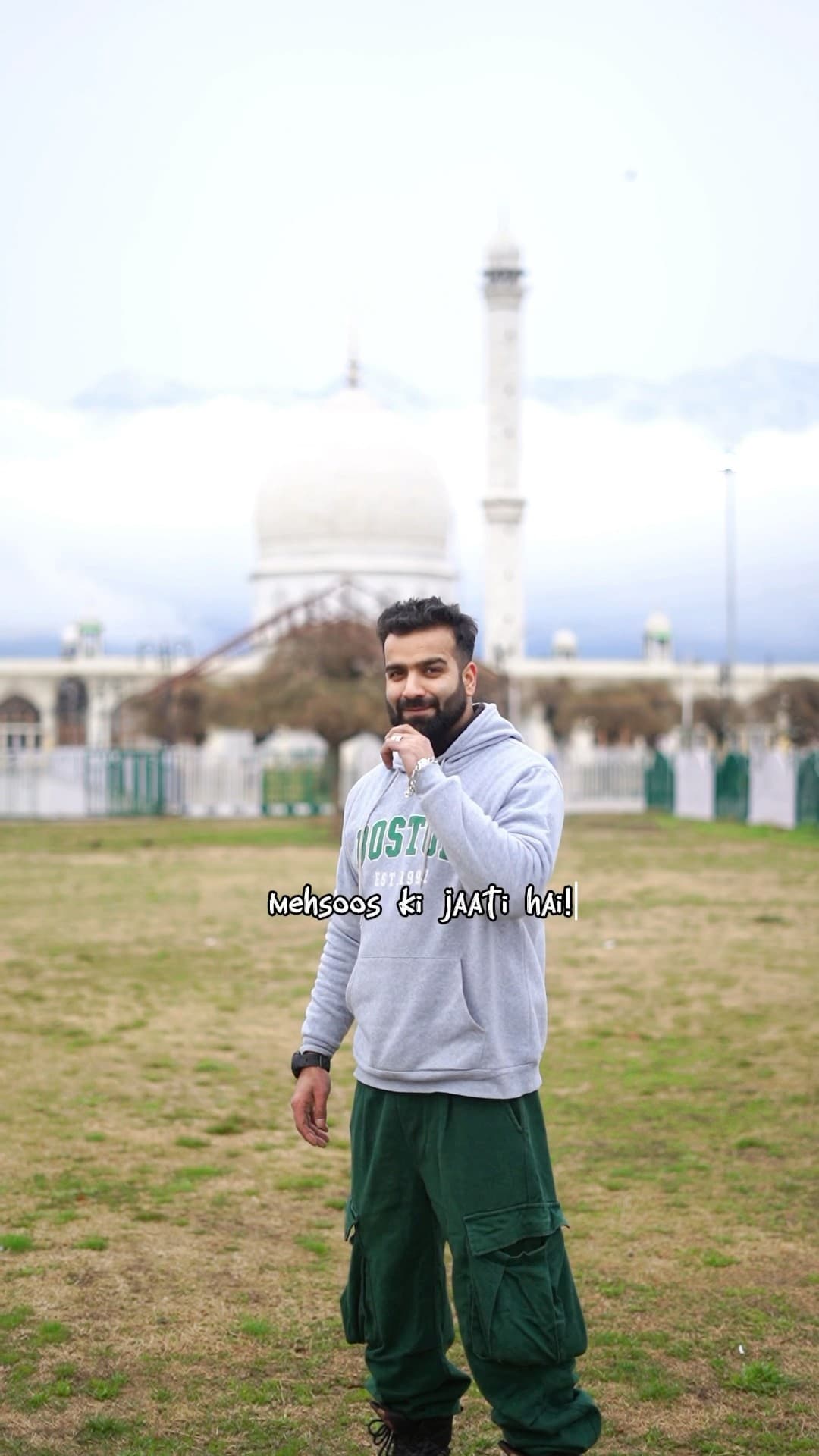
- Hazratbal shrine on the shore of Dal Lake
- Indira Gandhi Memorial Tulip Garden (about 30 hectares) at the foot of the Zabarwan range
- Hokersar wetland, about 14 km north, for migratory birds
Through the seasons
- Winter
- Cold and often snowy. January averages stay around 2–3 °C, nights drop below freezing, and moderate to heavy snowfall can cover the city, its gardens and its houseboats. The city is quieter and almost monochrome in this season.
- Spring
- The wettest season and the one with the most flowers. The Tulip Garden at the foot of the Zabarwan range usually opens between March and April, when the Mughal gardens and the orchards around the city also come into bloom.
- Summer
- Warm, long days with July highs around 30 °C. Lotus blooms across Dal Lake's floating gardens in July and August, and the lakefront is at its busiest.
- Autumn
- Crisp, clear air, with the chinar trees in the gardens and old neighbourhoods turning rust and gold. Migratory birds start arriving at nearby wetlands such as Hokersar in September and October.
How to reach
Srinagar's international airport at Humhama (Budgam) is about 14 km from the city centre and has direct flights from major Indian cities. The Udhampur–Srinagar–Baramulla rail link now connects Srinagar to the national rail network, so check current train schedules. By road, NH44 links Srinagar with Jammu through the Banihal–Qazigund tunnel. The drive usually takes six to seven hours, depending on weather and traffic.
Photographer’s notes
- Shoot the old city's riverside houses and bridges on the Jhelum at dawn, when the light is soft and the river is often calm.
- Go up to viewpoints such as Pari Mahal or Hari Parbat for wide views over the city and Dal Lake. Late-afternoon light works especially well.
- In the Mughal gardens, use the stepped terraces and central water channels as leading lines toward the Zabarwan hills.
- Dress modestly at shrines and mosques, and ask before photographing people or interiors. Some religious and security-sensitive sites do not allow cameras.
- In winter, keep spare batteries warm and adjust exposure so snow stays white rather than grey.
Srinagar through the lens
Stories & guides from here

Travel story · 25 March 2026 · 1 min read
When Kashmir Blooms: A Spring Diary
Almond blossom in March, secret tulip gardens in April and a hidden gem called Gussu — Maliq's episodic spring series follows the valley as it wakes.

Travel story · 5 January 2026 · 2 min read
Forty Days of Frost: Chillai Kalan in Kashmir
Frozen shikaras on Dal Lake, December snow in Sonamarg and printed postcards for the children of the valley — Maliq's winter series became his most-watched work.

Filming in Srinagar?
Let’s make something unforgettable here
Tourism campaigns, hotel films and private commissions — planned around the right season and the right light.
Prefer WhatsApp? Message meUsually within 48 hours