Kashmir · Srinagar
Dal Lake


Overview
Dal Lake lies in the heart of Srinagar at about 1,583 metres. It is a shallow urban lake covering roughly 18 square kilometres, and more once its marshes and floating gardens are included. Causeways divide it into basins, among them Gagribal, Lokut Dal, Bod Dal and Nigeen. A boulevard lined with Mughal-era gardens, parks, houseboats and hotels runs along its shoreline of about 15.5 km.
Life here happens on the water. Carved wooden houseboats, a tradition that began in the colonial period, line the lake's edges. Painted shikaras carry residents, produce and visitors between the floating gardens, which Kashmiris call rad. Two small islands sit in the lake: Rupa Lank, better known as Char Chinari, and Sona Lank. The Mughal gardens of Nishat and Shalimar and the Hazratbal shrine stand on its shores, with the Zabarwan hills behind. The lake is under serious pressure from pollution and eutrophication, and it has been the focus of conservation work for many years.
Highlights
- A shikara ride at sunrise or sunset
- The early-morning floating vegetable market, where produce including lotus stem (nadru) is traded from boats
- Char Chinari (Rupa Lank) island
- A stay aboard a traditional carved houseboat
- Floating gardens (rad) and lotus blooms in July and August
- Nishat Bagh and Shalimar Bagh on the lakeshore
- Hazratbal shrine
- The floating post office on the lake's western edge
Through the seasons
- Winter
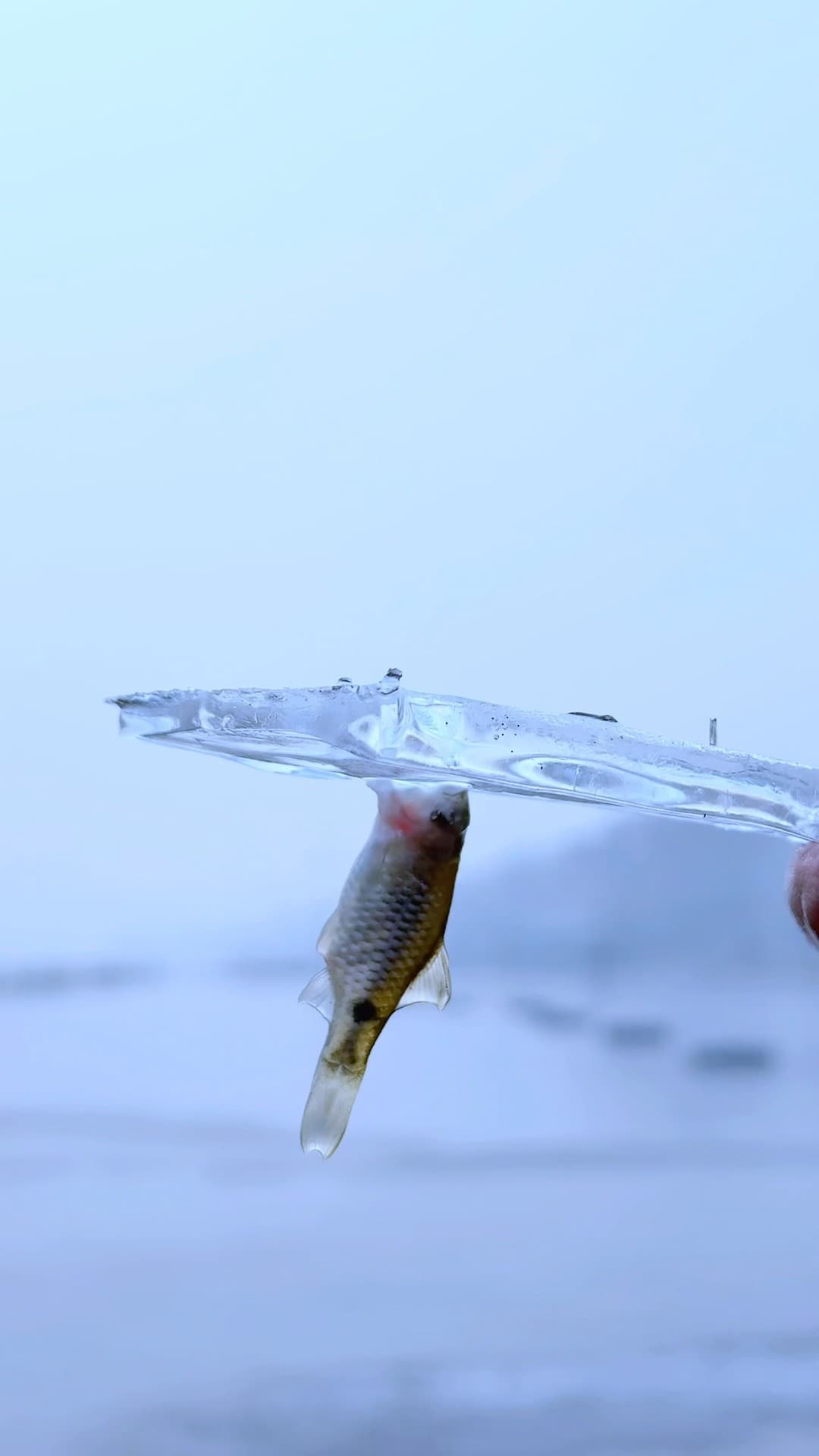
- Temperatures fall well below freezing, sometimes to about −11 °C, and parts of the lake can freeze in severe winters. Migratory birds visit, and snow on the Zabarwan hills and the houseboat roofs makes for calm, simple scenes.
- Spring
- Glassy mornings return as the weather warms, and the willows along the channels turn green. The nearby Tulip Garden, which overlooks the lake, usually blooms between March and April.
- Summer
- The busiest season on the water. The floating gardens are full of vegetables, and lotus blooms across the lake in July and August.
- Autumn
- Clear skies, calm water and chinars turning copper in the lakeside gardens. This is a good season for reflections at dawn and dusk.
How to reach
The lake is inside Srinagar city and easy to reach by taxi or auto-rickshaw. Boulevard Road runs along much of the shore, with shikara landing points along the way. Srinagar's airport is about 14 km from the city centre, and the city is also connected by rail and by NH44 from Jammu.
Photographer’s notes
- Book a shikara before dawn to reach the floating vegetable market. It is busiest around sunrise and winds down by early morning.
- Go out at first light, when the water is usually calmest. A polarizer cuts glare but can also remove reflections, so rotate it with care.
- At blue hour, frame shikaras against the line of houseboats along the Boulevard as the houseboat lights come on.
- Shoot from low inside a shikara to include its painted prow and the surface of the water in the foreground.
- Ask before photographing boatmen, vendors or families living on the water.
Dal Lake through the lens

Stories & guides from here
Travel story · 5 January 2026 · 2 min read
Forty Days of Frost: Chillai Kalan in Kashmir
Frozen shikaras on Dal Lake, December snow in Sonamarg and printed postcards for the children of the valley — Maliq's winter series became his most-watched work.

Journal · 10 February 2026 · 1 min read
Kashmir Through the Seasons: A Photographer's Calendar
When to go, where to be and what the light is doing — a month-by-month guide built from years of filming the valley.


Filming in Dal Lake?
Let’s make something unforgettable here
Tourism campaigns, hotel films and private commissions — planned around the right season and the right light.
Prefer WhatsApp? Message meUsually within 48 hours